
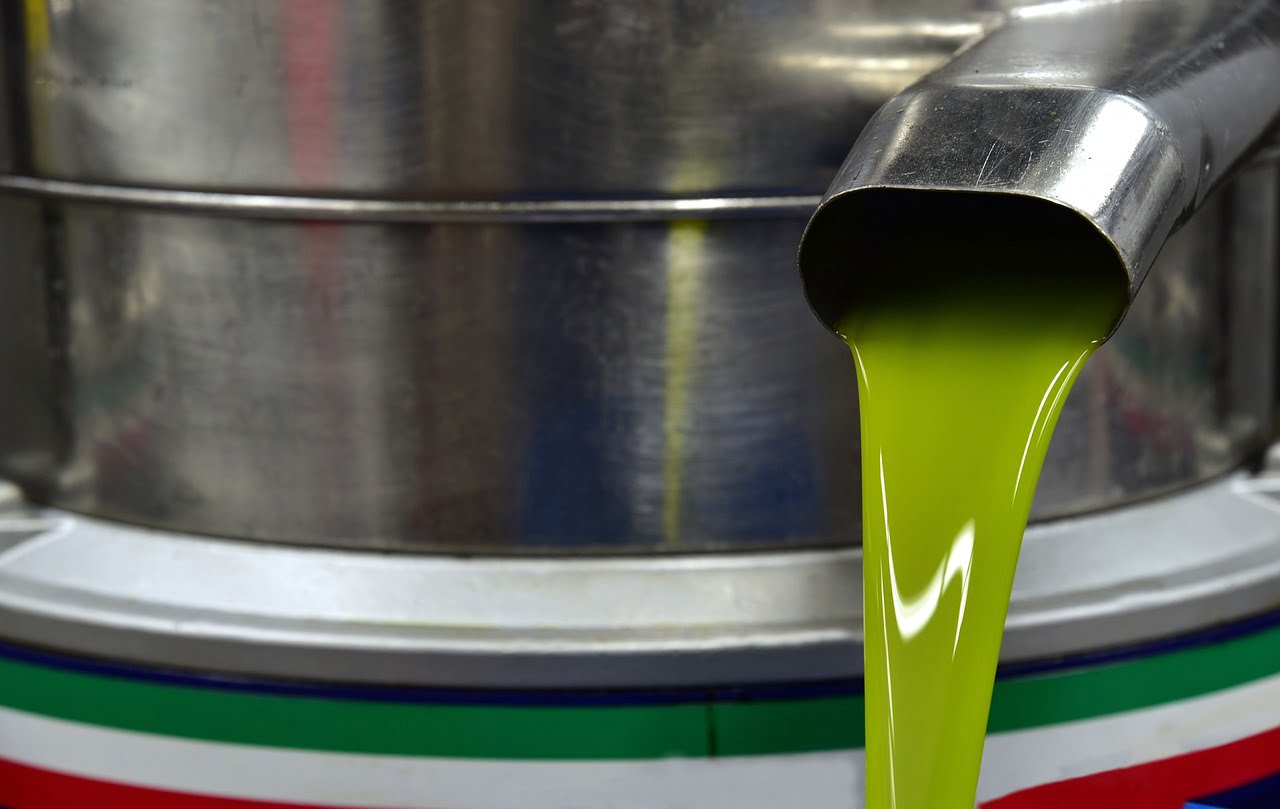
The olive tree is a crop that only exists in Mediterranean countries or Mediterranean climates.
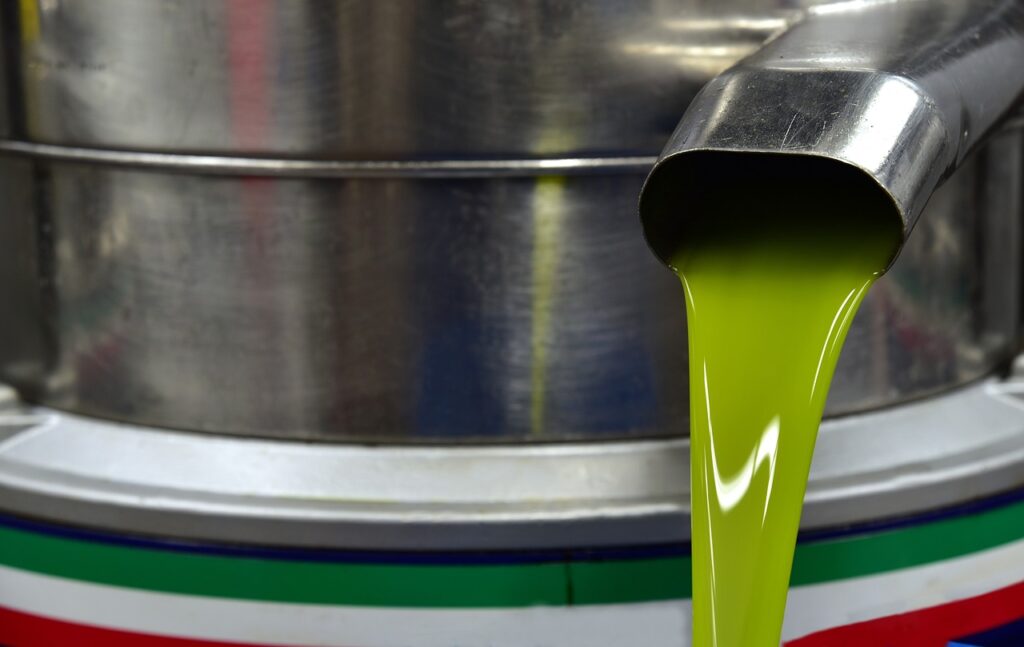
The health benefits of consuming olive oil have increased its demand worldwide.
And consequently, this culture has taken on great importance in the research programs of producing countries to increase the fruit yields of olive trees and the olive oil yield.
The main data taken into account in an olive grove are: the olive yield per hectare, oil yield per hectare and also the quality of the olives and the oil (mainly the flavor and acidity).
In this article we will detail the yields of an olive grove, the conditions and factors that influence the olive oil yield and finally the precautions and advice for having a good olive yield and oil yield from olive groves.
Table of Contents:
Note: Some products featured on this page are affiliate products. If you make a purchase through our links, we may receive a commission at no extra cost to you.
Product recommendations
If you have a vegetable or ornamental garden, you may be interested in our selection of products and tools.
Feel free to use our promo codes on our partners’ sites for a discount: Temps L (BJR1: 10€ from 30€), Prêt à jardiner (PAJ10: 10%) et Click & Grow (AB36: 10%).
Olive oil yield
When we talk about olive grove yields, we are referring to two main yields which are:
Olive yield per tree or orchard: This refers to the quantity of fruit per tree or orchard, which depends primarily on the variety, of the success of flowering and fruiting olives and the weight of the olives.
Oil yield per olive: This refers to the quantity of oil extracted from a quantity of olives, generally expressed as a percentage (%), i.e. the quantity of oil (in grams or kg) extracted from 100 kg of olives; this yield depends on several factors (climatic, varietal and cultural).
Factors influencing olive oil yield
The main factors that influence the oil content of olives fall into two categories:
- Factors that can change from year to year (climate, farming practices).
- And those that are constant and do not change from year to year (varietal).
Varietal factors that influence olive oil yield:
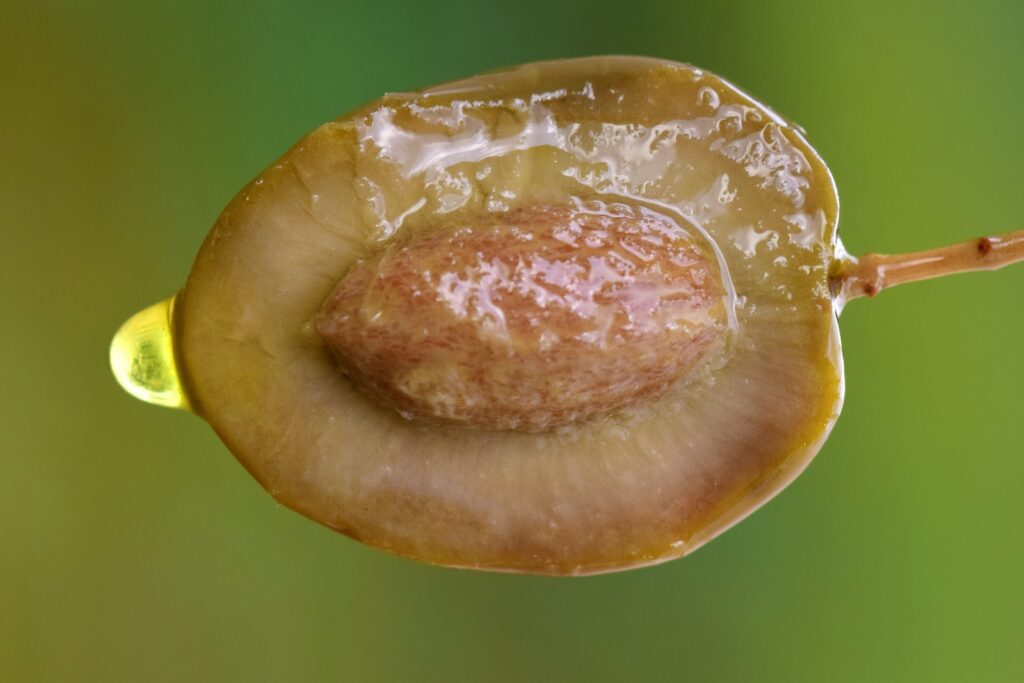
The first factors we will present are those related to the variety and which are fixed and stable; each variety is genetically characterized by the fruit size and consequently the characteristic weight, the oil yield as well as an important factor which is the pulp-to-stone ratio, the more pulp there is, the greater the oil yield, and vice versa (we are talking here about the unit level, not quantity).
Climatic factors that influence olive oil yield:
In the second place we have the climatic conditions which are different from one year to the next without human intervention (rain, temperatures and sunshine).
The effect of climatic conditions during the olive tree’s annual cycle is critical, particularly during three periods: the first, during flowering (which determines the quantity of fruit on the trees), the second, during the physiological summer selection and finally, during the physiological stage of lipogenesis, the time of fruit enlargement and the production of lipids (between August and November depending on the varieties and climate).
Cultural factors that influence olive oil yield:
Finally, we have the cultural factors on which humans can intervene:
Density: The first factor is density, which is fixed at the time of planting the orchards and influences the availability of nutrients and water to the trees as well as the orchard microclimate, essentially sunshine (an important element for photosynthesis and also lipid synthesis).
Pruning: Similar to previous points, pruning plays an important role in the microclimate of orchards and the renewal of wood or branches in the tree.
Irrigations et Fertilisations: Fertigation affects the availability of nutrients and water, consequently the development and growth of trees and fruits (flowering-fruiting and enlargement) as well as lipogenesis.
Diseases and pests: Diseases and pests directly affect the photosynthetic surface area as well as the success of flowering and fruit set, and ultimately the quality of the fruit and oil.
And finally, we have the two factors related to the olive harvesting and crushing, which are:
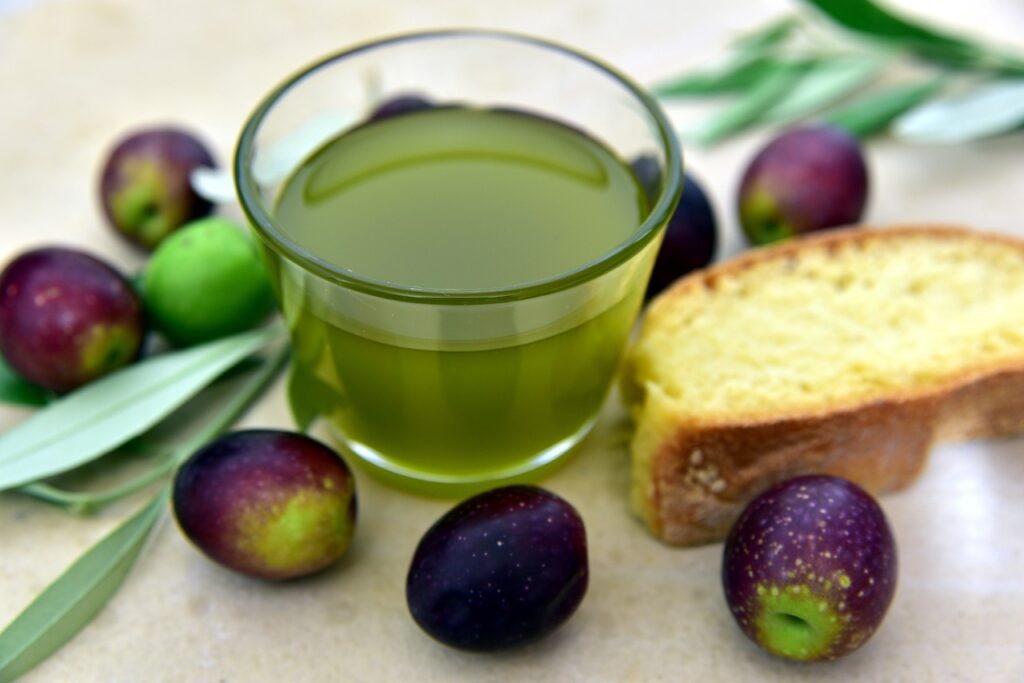
Harvest time: The timing of the harvest is a very important factor that determines the olive oil yield and the quality of the oil.
There is a balance between the two criteria; the oil at the beginning of maturity is of good quality but with low yield, and then its quality decreases and the yield increases (olives lose water), so it is necessary to determine the point of equilibrium to have a satisfactory yield and quality.
Olive crushing method: and finally comes the olive crushing which also plays its role in the olive oil yield, each crushing machine is characterized by a precise level of efficiency and also by its crushing temperature, both criteria affect the quantity and quality of the oil extracted.
Precautions and advice
To obtain a good fruit and oil yield, you need:
- Minimize water stress on trees during critical periods (flowering, fruit-set and lipogenesis).
- Prune the trees annually and correctly.
- Strengthen the trees’ resources through proper fertilization.
- Do not harvest too early or too late (the ideal point is at the beginning of the red coloration of the olives).
- Reduce orchard irrigation after the end of lipogenesis and as harvest approaches.
- Apply plant protection treatments at the right time to avoid attacks.
- Choose a crushing machine with a low oil loss rate.
Also visit : https://web.facebook.com/people/Agronomie-Quotidienne/100090916804866/
More articles on our blog in French !