
During the winter, the majority of fruit species enters a state of vegetative rest (dormancy) and shed their leaves (in the case of deciduous species) or slow down their activity.
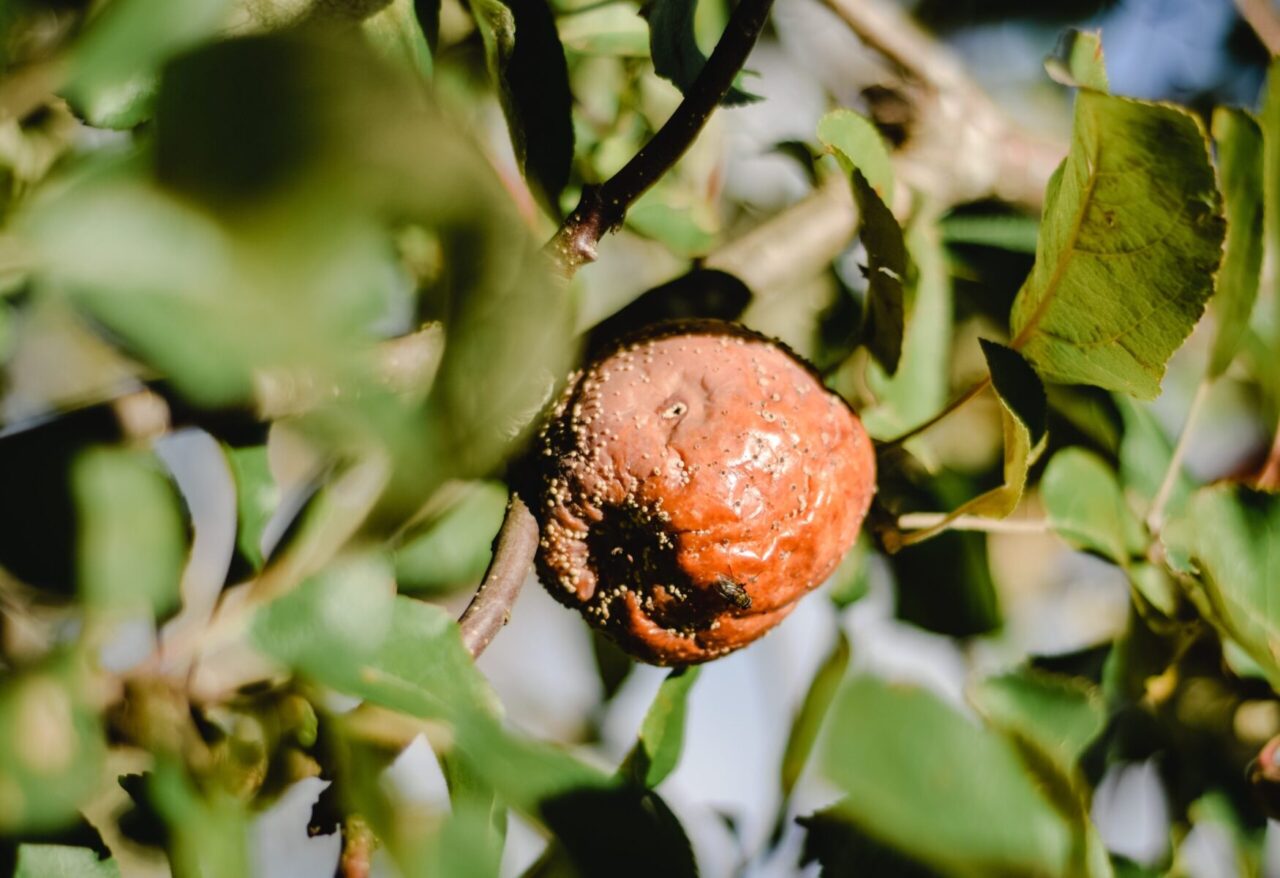
Generally, farmers do not give much importance to phytosanitary winter treatments for fruit trees, whereas in warm winters, pathogens (responsible for tree diseases) as well as pests continue their cycles and prepare for the arrival of spring (reduced activity but still exists).
If no treatment or phytosanitary intervention has been considered, the pressure from diseases and pests at the start of the following spring would be at its maximum.
Winter treatments for fruit trees play a vital role in controlling pest populations and disease pressure, which facilitates phytosanitary interventions for the rest of the cycle.
One or more treatments in winter can significantly reduce the population of pests and pathogens.
In this article we will present the main active ingredients used for winter treatments for fruit trees, the precautions and advice to take into account to successfully carry out this type of treatment and finally we will present some practical examples of winter treatments.
Table of Contents:
Note: Some products featured on this page are affiliate products. If you make a purchase through our links, we may receive a commission at no extra cost to you.
Product recommendations
If you have a vegetable or ornamental garden, you may be interested in our selection of products and tools.


Feel free to use our promo codes on our partners’ sites for a discount: Temps L (BJR1: 10€ from 30€), Prêt à jardiner (PAJ10: 10%) et Click & Grow (AB36: 10%).
Winter treatments for fruit trees
Possible scenarios for winter treatments for fruit trees:
Winter treatments for fruit trees only address diseases and pests affecting the aerial parts of the trees; these treatments primarily aim to eliminate the overwintering forms of these pests from plant crops.
So, two cases are possible, namely: winter treatments against diseases (mainly fungi and bacteria) and winter treatments against pests.
Winter fungicide treatments can be preventive or curative, whereas winter insecticide treatments are mainly curative (acting directly on the survival forms of pests).
Products for winter treatments for fruit trees:
As mentioned above, there are two possible cases for winter treatments: fungicide winter treatments (against fungi and bacteria) and insecticide winter treatments (against the overwintering forms of pests).
Therefore, winter treatments for fruit trees against fungi and bacteria are primarily based on:
- Copper (in its various forms and formulas).
- And/or Sulfur.
Otherwise, winter insecticide treatments (against pests) are mainly based on:
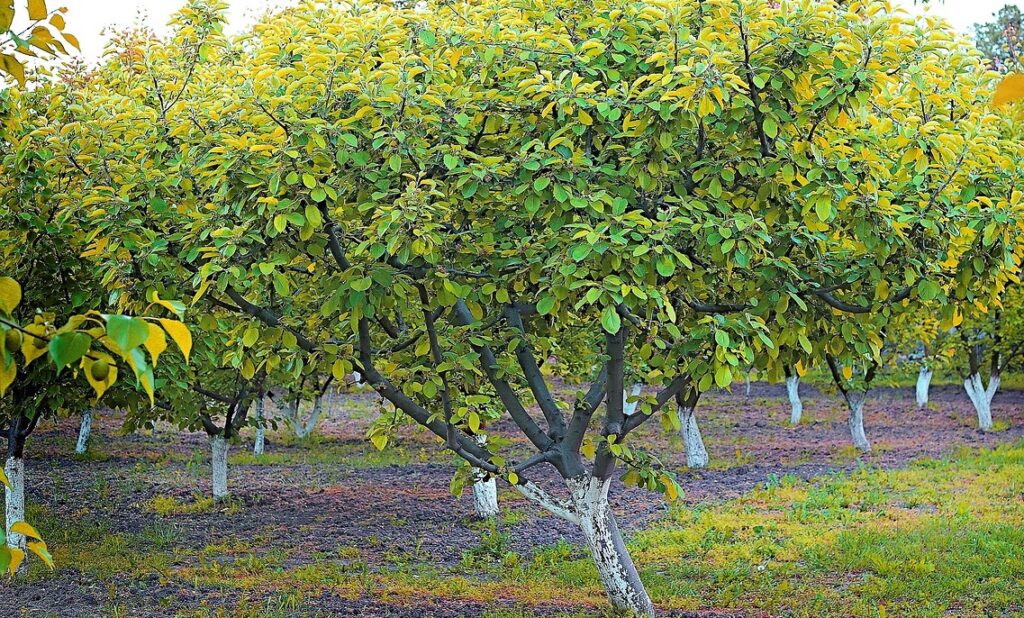
- Oil (mineral or vegetable).
- And the tree whitewash (quicklime).
Note: Copper and sulfur act by contact, whereas vegetable oil and lime act by asphyxiation.
Precautions and advice
There are several precautions and tips to follow to successfully treat fruit trees during winter; the main ones to follow are:
Treatments should not be systematic; the decision regarding treatments and their number depends on the phytosanitary condition of the orchard.
Before proceeding with winter treatments, it is necessary to start by removing abandoned fruit from the trees and the soil (ground), weeds and all other potential hosts of diseases and pests.
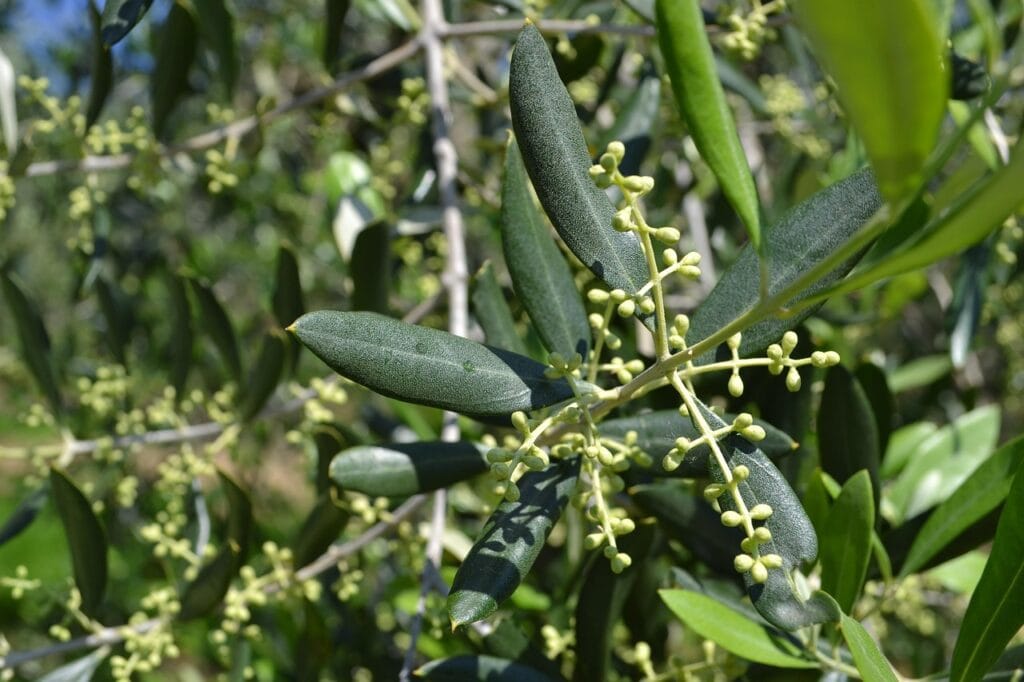
One must be very careful when applying these treatments; they should never be applied during the flowering period (from the beginning of buds swelling/burst).
Examples of bioaggressors
There are several diseases and pests that can be controlled by winter treatments; the table below shows some examples of diseases and pests along with their recommended treatments:
| Species | Diseases | Treatments |
|---|---|---|
| Olive tree | Peacock spot | Copper |
| Citrus tree | Scale insects | Rapeseed oil or canola oil |
| Apple/Pear tree | Scab and pear psylla | Copper and rapeseed oil (canola oil) |
| Walnut tree | Anthracnose | Copper |
| Almond tree | Scab | Copper |
| Plum tree | Brown rot | Copper |
Otherwise, as for lime, it is used for a large number of pests, especially those that overwinter or deposit their survival forms on the trunks of trees.
Also visit: https://web.facebook.com/people/Agronomie-Quotidienne/100090916804866/
More articles on our blog in French !