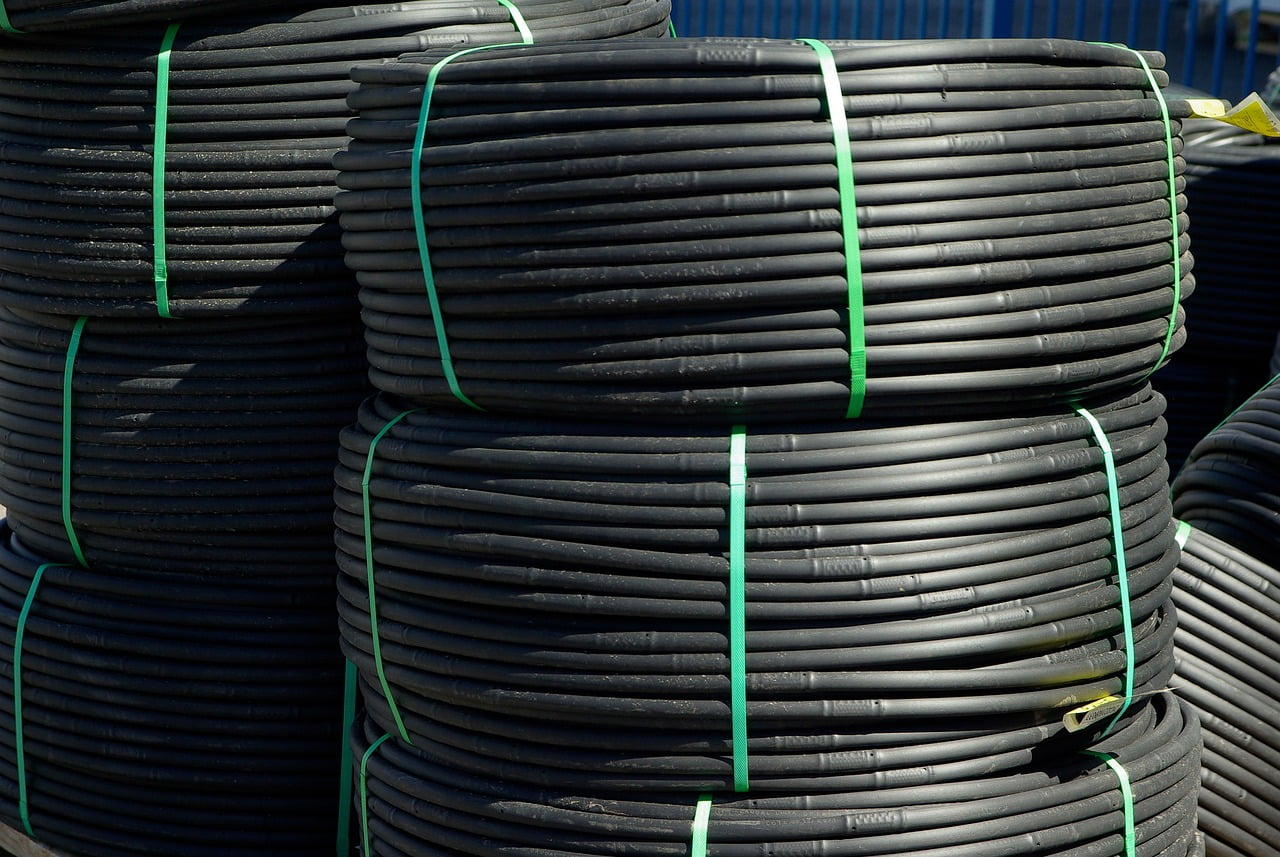
End-of-cycle irrigation maintenance or Maintaining irrigation systems at the end of the irrigation campaign is a crucial operation to protect the technical characteristics of the irrigation system and extend its lifespan.
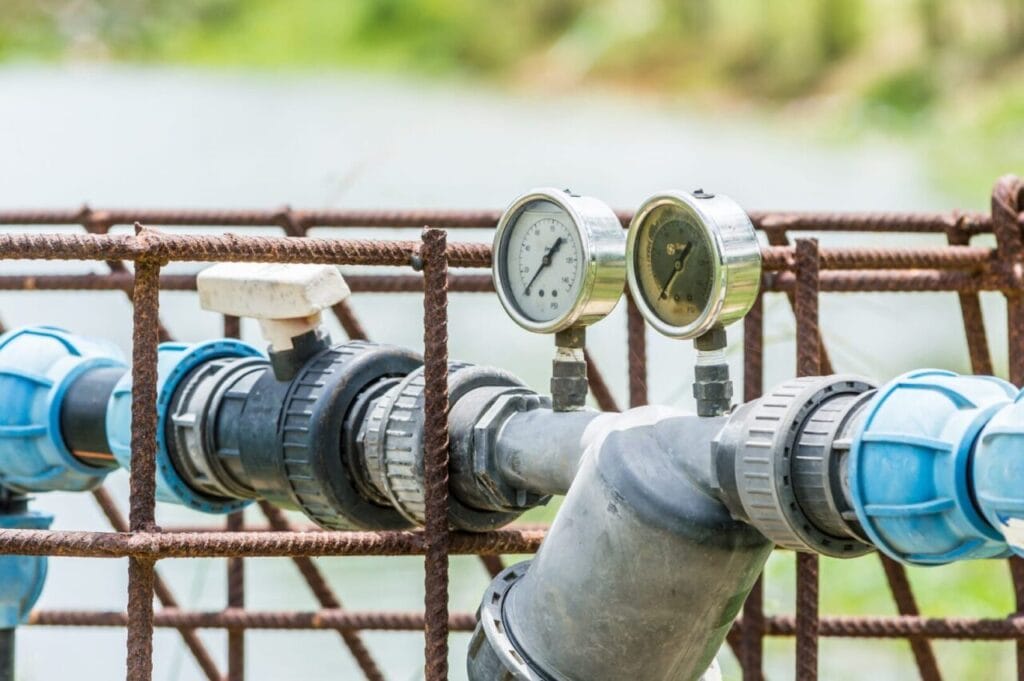
There are several types of irrigation systems, each consisting of various tools, and each part of the irrigation system has its own maintenance technique, as well as each type of irrigation system has its own maintenance procedure.
The rate at which irrigation systems become clogged depends primarily on the type of irrigation system, as well as several other factors such as: the efficiency of the filtration system, the water source, the type of emitters and their characteristics.
The end of the crop cycle or the end of the irrigation campaign as winter approaches is a very important time to clean and maintain the irrigation system to ensure an easy and correct start to the next irrigation campaign.
Winter is the ideal time to maintain the irrigation system because the irrigation stoppage can be more or less long, otherwise and if the stoppage is short or no irrigation stoppage (such as: the case of greenhouse crops), then in this case maintenance is done regularly without having to do a complete End-of-cycle irrigation maintenance.
In this article we will present the different steps of the End-of-cycle irrigation maintenance (or at the end of the irrigation season), the objectives of this intervention, as well as the advantages and disadvantages of irrigation system maintenance at the end of its cycle or End-of-cycle irrigation maintenance.
Table of Contents:
Note: Some products featured on this page are affiliate products. If you make a purchase through our links, we may receive a commission at no extra cost to you.
Product recommendations
If you have a vegetable or ornamental garden, you may be interested in our selection of products and tools.


Feel free to use our promo codes on our partners’ sites for a discount: Temps L (BJR1: 10€ from 30€), Prêt à jardiner (PAJ10: 10%) et Click & Grow (AB36: 10%).
End-of-cycle irrigation maintenance
As presented in the introduction, the approach of winter is a symbol of the end of the irrigation campaign and this cessation of irrigation is the opportune time to maintain the irrigation system.
Ignoring this operation during a long shutdown can be costly, as the technical characteristics of the irrigation system can be completely altered and maintenance upon resumption of irrigation may not be effective.
The irrigation system is generally used to bring water and nutrients to crop plots and sometimes it is also used to bring some active ingredients of plant protection for treatments to the soil.
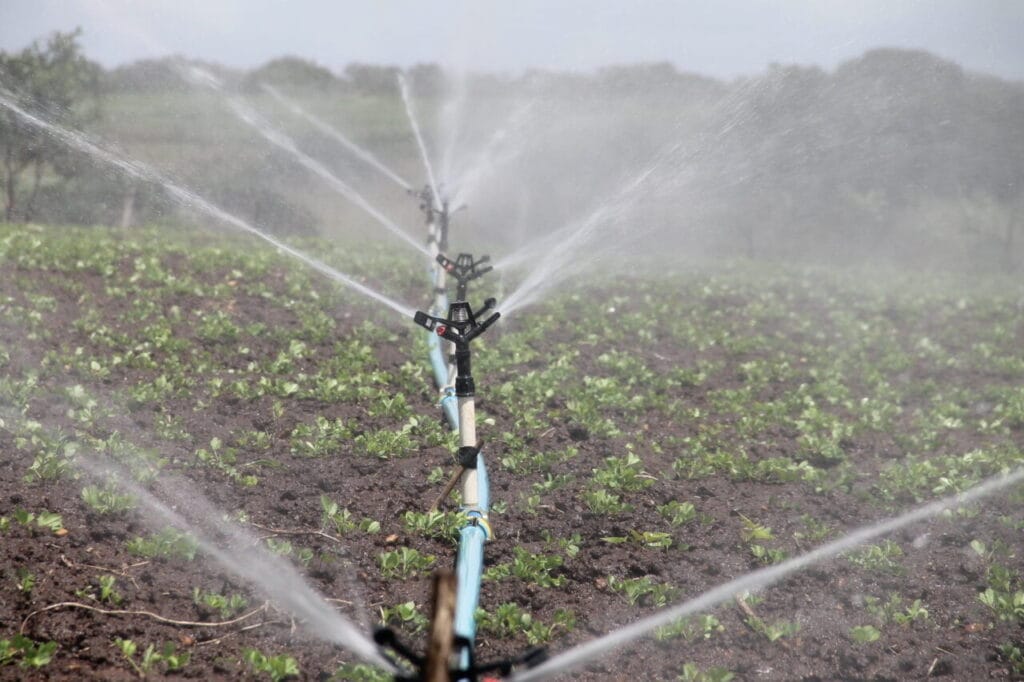
So, on the one hand, water has its own load of dirt and chemical compounds and on the other hand fertilizers and pesticides are composed of mineral and chemical molecules, each of these materials as well as the reactions between them can form deposits which will clog the irrigation circuit (filters, pipes and emitters).
Water also acts as a softener for deposits, while stopping irrigation helps to harden the deposits and make their cleaning difficult or even impossible (the condition becomes more complicated if the irrigation stoppage is long), hence the need to maintain irrigation systems at the end of the irrigation campaign (End-of-cycle irrigation maintenance).
Note: Irrigation system maintenance during this period starts with the reservoir and extends to the emitters in the plots.
Objectives of End-of-cycle irrigation maintenance
End-of-season or End-of-cycle irrigation maintenance has several objectives, which are:
Reduce wear and tear on irrigation materials: Keeping the irrigation system regularly in good condition helps reduce wear and tear on its components.
Reduce the workload for each irrigation system maintenance operation: Maintenance of irrigation systems at the end of the cycle (End-of-cycle irrigation maintenance) helps to prevent the accumulation of deposits and their hardening, and therefore makes regular irrigation system maintenance interventions light and quick.
Reduce the quantity of products needed for irrigation maintenance: Similar to the previous point, a light and partial blockage does not require the use of a large dose of cleaning products (such as acid and others) in order to restore the irrigation system.
Facilitating irrigation maintenance at the start of the irrigation season: the resumption of irrigation is a delicate period in fact, that the workload during this period can be significant due to the mechanical or physical damage that can be suffered by the irrigation systems, therefore a clean irrigation system that has been well maintained at the end of the previous irrigation campaign, considerably reduces the interventions for cleaning and maintenance of irrigation systems.
Advantages of end-of-cycle irrigation maintenance
Similar to the objectives of the irrigation maintenance in general, End-of-cycle irrigation maintenance has several advantages, which are:
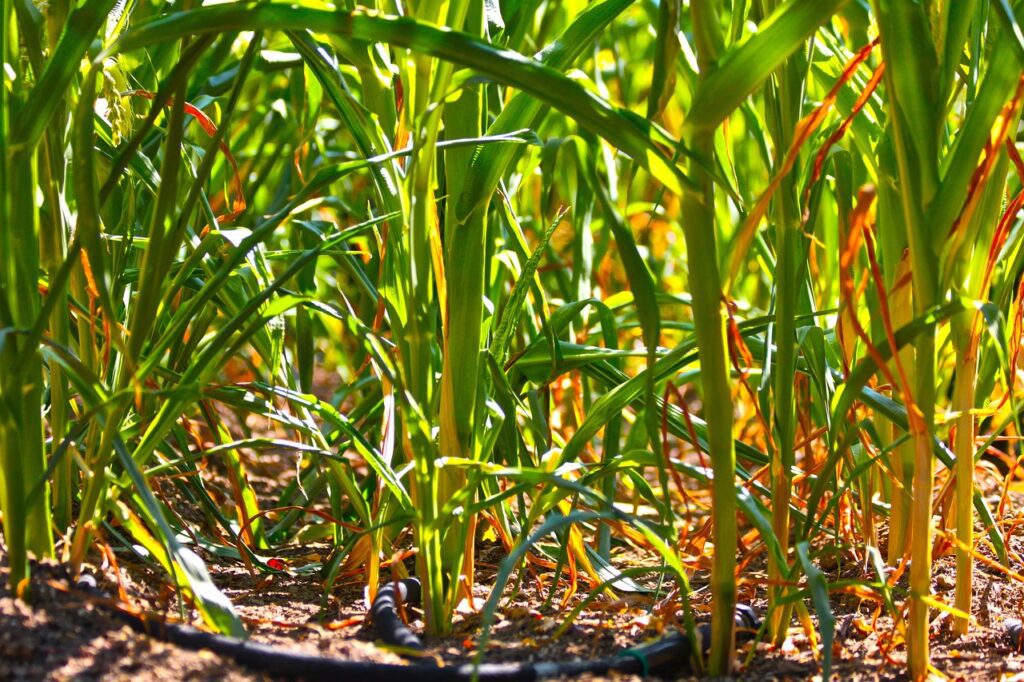
- End-of-cycle irrigation maintenance allows for protect the technical characteristics of irrigation systems and consequently its lifespan is extended.
- Reduce the economic charges of irrigation system maintenance: light irrigation maintenance after resumption requires limited use of irrigation system cleaning products and therefore reduces the economic charges of irrigation maintenance interventions.
- Reducing the ecological impact of irrigation maintenance: Similar to the previous point, limited use of cleaning products means limited pollution and therefore limited environmental impact.
- Successfully resuming irrigation: the resumption of irrigation is sometimes unpredictable due to climatic conditions, so having an irrigation system ready for resumption allows for a successful resumption of irrigation regardless of climatic hazards.
Steps of the End-of-cycle irrigation maintenance
List of essential operations for End-of-cycle irrigation maintenance or irrigation system maintenance at the end of the season:
Basin filling:
The irrigation basin is a crucial component of irrigation systems, so its maintenance before winter is essential for a successful recovery, therefore:
If there is a significant amount of sediment at the bottom of the irrigation basin, then the end of the cycle is an ideal time to clean it.
The water level must be reduced to one meter or a maximum of half a meter (1/2 m) and the sediments cleaned manually or with the tools dedicated to this operation (care must be taken not to damage the geomembrane).
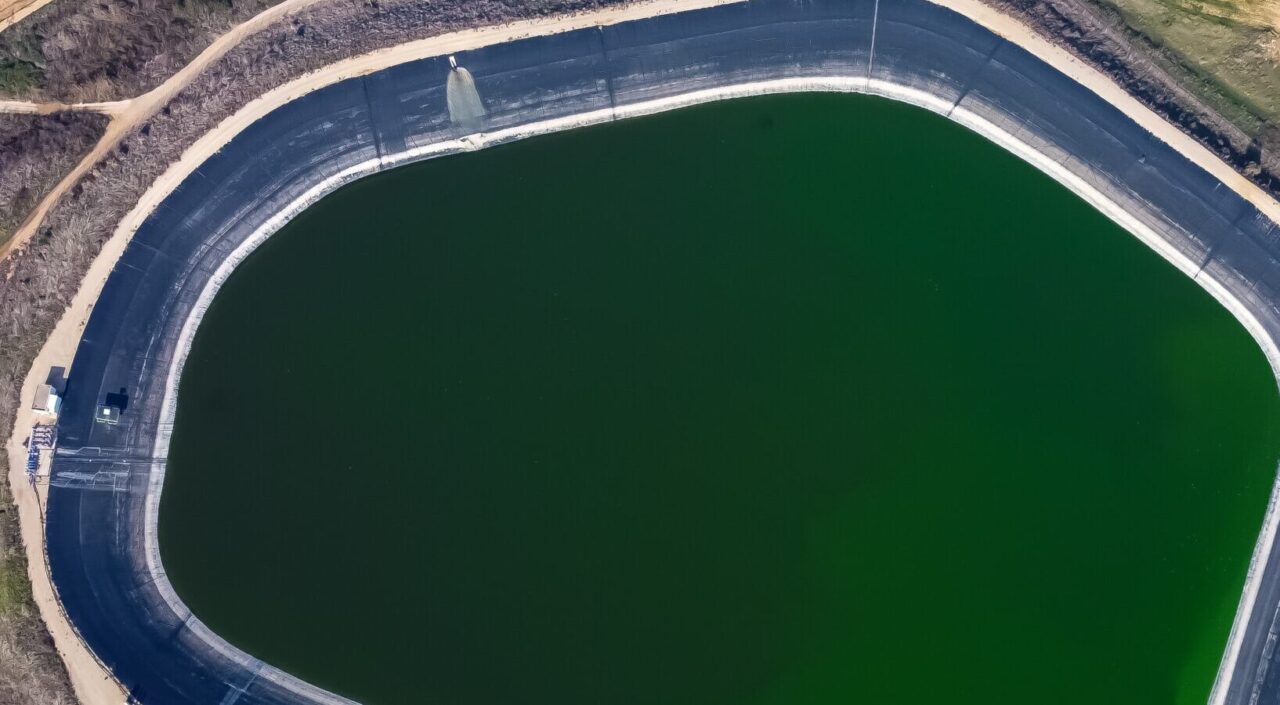
Next, the basin must be filled to one third or one half of its storage capacity; this level varies depending on the rainfall in the region.
NB. :
- The key is to have sufficient volume to contain rainwater without the risk of the basin overflowing.
- And the bottom should not be left at a very low level to prevent the proliferation of algae, otherwise the basin should be covered in the case of a small irrigation basin (if possible).
Unblocking the emitters:
Unblocking the emitters is a particularly important step in the irrigation system maintenance process, as it allows for the cleaning of deposits in the irrigation pipes and especially in the emitters.
The maintenance of the emitters depends primarily on the type of irrigation system and the type of blockage (this is generally chemical blockage at the end of the cycle).
Note : Remember to flush the irrigation pipes to remove all deposits from the irrigation system..
Filter cleaning:
There are several types of filtration systems adapted for each particular case, which depends essentially on the type of irrigation system and the water quality.
Generally, filtration systems are equipped with ‘self-cleaning’ features that allow them to clean themselves automatically.
Although this type of cleaning is effective, it does not allow for a complete and total cleaning, especially if the irrigation water is too heavily contaminated.
Hence the need to manually check the situation of the irrigation system filters at the end of the irrigation campaign and to dismantle them for a complete manual cleaning if necessary.
Collection of irrigation tubing or sprinklers:
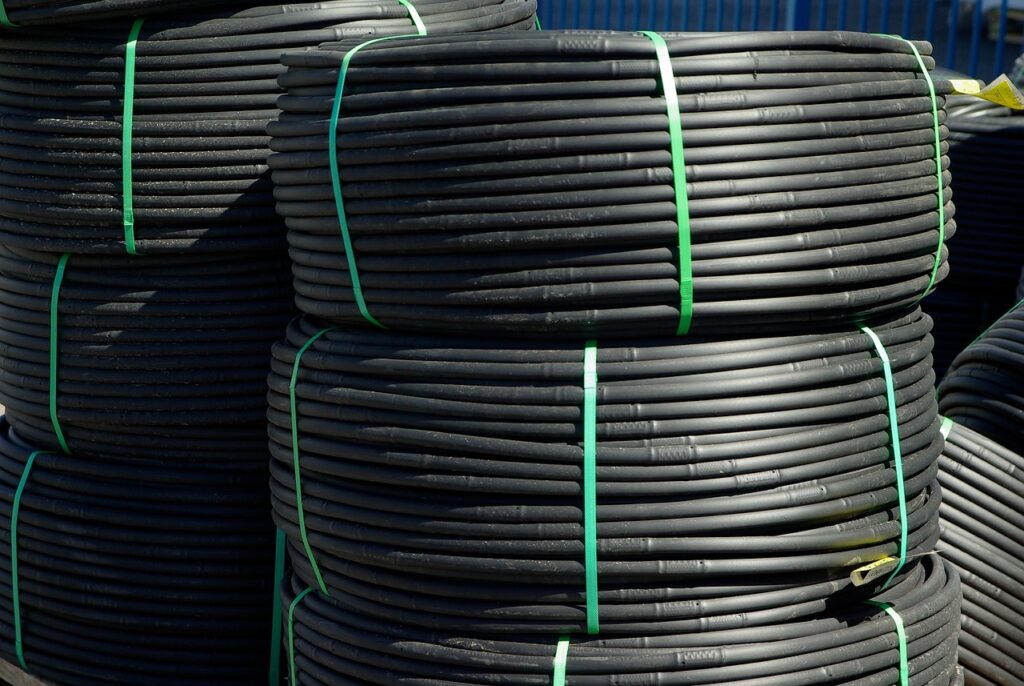
In some cases, such as annual productions, the collection of irrigation tubing or sprinklers is necessary in order to protect them from climatic hazards and to free up the land for the next soil preparation.
Note : they must be stored properly and mechanical accidents that could damage their condition must be avoided.
Also visit : https://web.facebook.com/people/Agronomie-Quotidienne/100090916804866/
More articles on our blog in French ?