
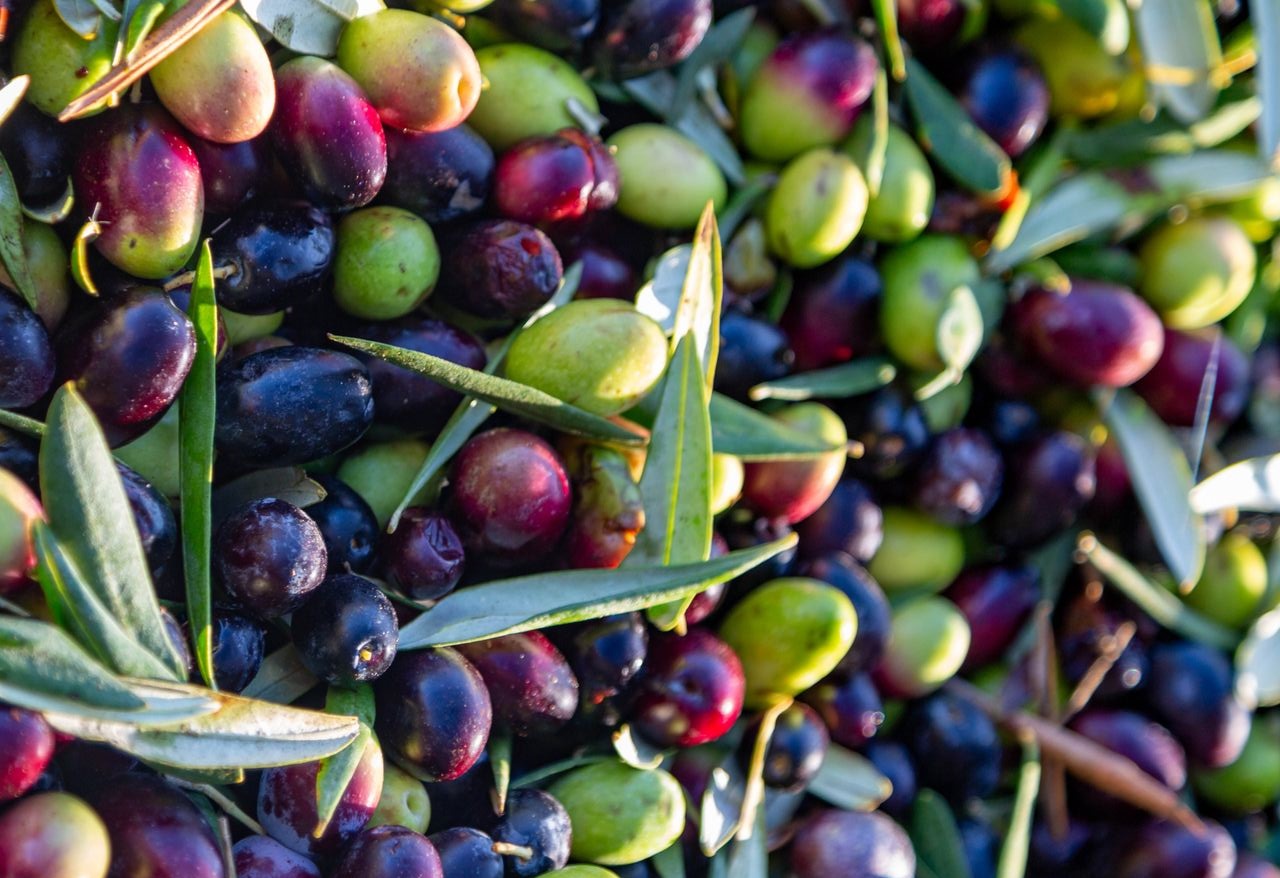
The 2026 olive campaign in Morocco has recently started with the appearance of the first harvest olives on the farmers’ market and the first liters of Olive oil in Morocco in 2026. This earlier start compared to recent years was also expected due to several climatic conditions.
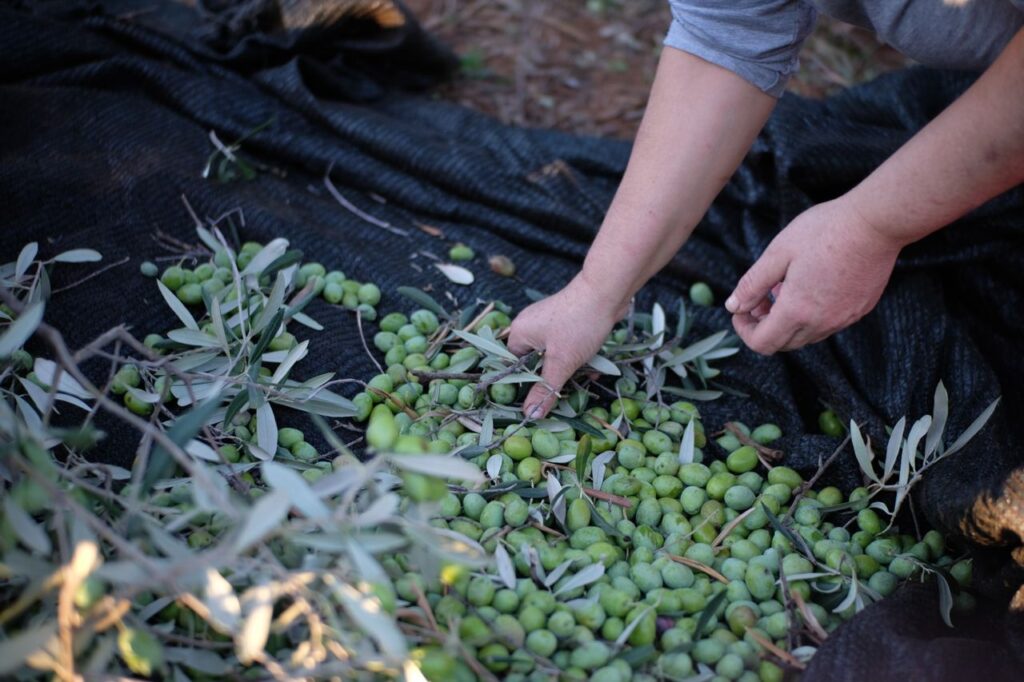
Olive oil is a very important food in most countries (especially in Morocco), in Morocco, table olives and olive oil are essential components of foods.
The olive tree is a very widespread tree crop in Morocco (which ranks among the top 5 producers of this crop in the world) and it dominates the other tree species that make up Moroccan arboriculture.
The olive tree is a Mediterranean crop native (also in Morocco) and it constitutes an important source of income for Moroccan farms (whether industrial or family-run).
In this article we will briefly present the olive oil sector in Morocco, the climatic causes which have favored the early start of the olive harvest this year, the situation of Olive oil in Morocco in 2026 (current for harvests and olive milling) and finally we will present a first reading of the forecasts.
Table of Contents:
Note: Some products featured on this page are affiliate products. If you make a purchase through our links, we may receive a commission at no extra cost to you.
Product recommendations
If you have a vegetable or ornamental garden, you may be interested in our selection of products and tools.

Feel free to use our promo codes on our partners’ sites for a discount: Temps L (BJR1: 10€ from 30€), Prêt à jardiner (PAJ10: 10%) et Click & Grow (AB36: 10%).
Olive oil sector in Morocco
The olive grove area in Morocco represents slightly more than 60% of the national tree-growing area, amounting to approximately 1.1 million hectares, with 900,000 hectares actually productive. It is spread across several regions of the Kingdom; the main olive-producing regions are (Source: ADA Morocco):
- Fes-Meknes.
- Marrakech-Safi.
- Oriental region.
- Beni Mellal-Khenifra.
- Tangier-Tetouan-Al Hoceima.
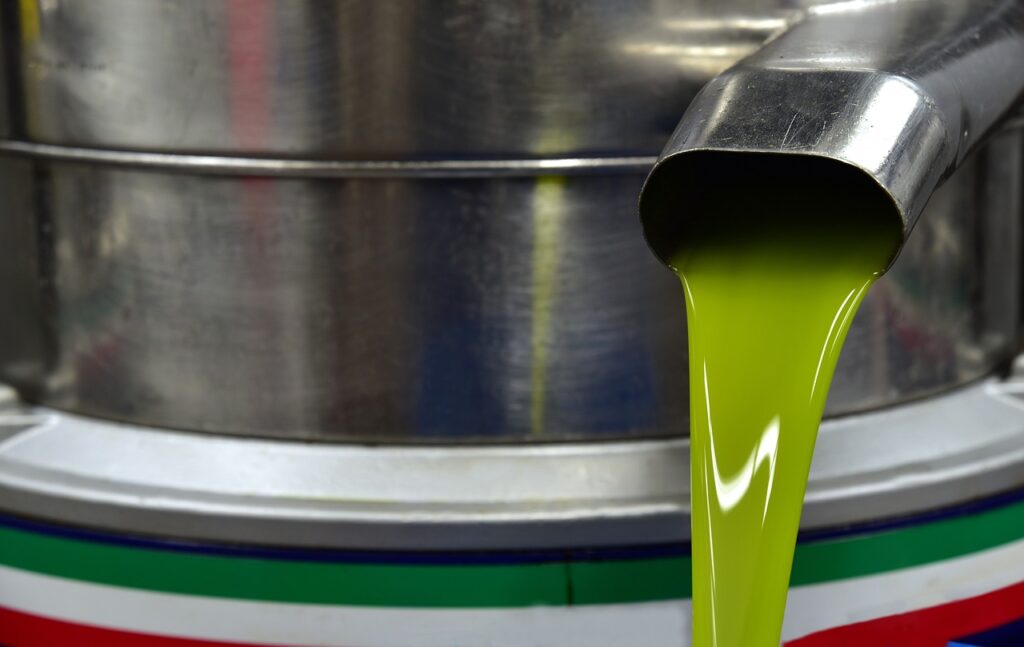
Olive cultivation in Morocco is dominated by rainfed farming with an orientation towards irrigation.
The average annual production of olives in Morocco is around 1.3 Mt (Source: ADA Maroc) with records that can exceed 2 Mt (example years 2025/2026) depending on climatic conditions.
Olive production in 2025/2026 was around 2 Mt, a lower yield (-40%, i.e. an estimated yield of around 1.1 Mt of olives) is estimated during summer 2026 for the production of this year 2026/2027 (professional estimate: unofficial).
Situation of Olive oil in Morocco in 2026 (Current)
As mentioned above, the olive oil season is starting gradually in Morocco at the beginning of October. The main characteristics of the situation of olive oil in Morocco in 2026 up to the present day are:
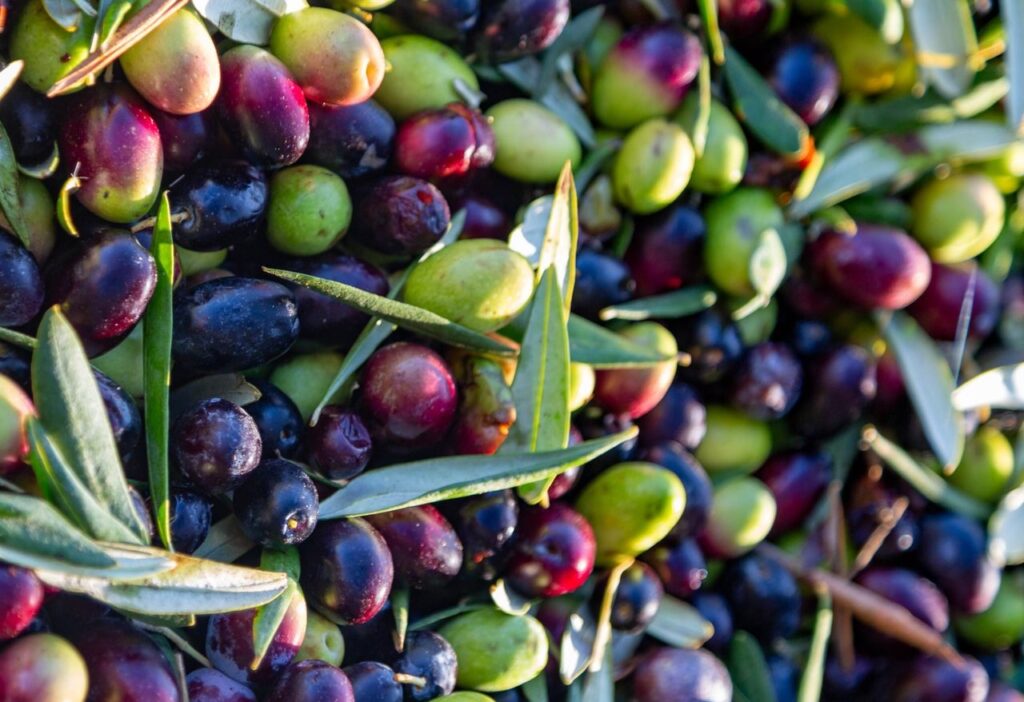
- The quality of olives on the farmers’ market is generally good (except for a few batches of shriveled or fallen fruit).
- The average of yield of olive oil in Morocco in 2026 so far varies between 12 to 15% (depending on the varieties, condition of the olives, irrigated or not…etc.), this yield will generally increase gradually.
- Selling prices in local markets also vary depending on the quality of the fruit and the region, generally ranging from 3.5 to 6 Dhs/kg for oil olives (olives for crushing or oil production) and more than 10 dhs for table olives (depending on quality and region).
Forecasts for Olive oil in Morocco in 2026
Situation :
So far there is no official public estimate for this year’s production, apart from the forecast of professionals who confirm a probable drop in national production of around 40% compared to last year, i.e. a projected production around (+/-) 1.1 Mt of olives (not confirmed by any official organization so far).
Producers who have noticed the possibility of a 40% drop in production compared to the previous year have given the following causes:
Natural alternate bearing: ‘The olive tree is a crop known for its strong biennial bearing from one year to the next (one year of good production and one less productive year), therefore after an abundant harvest in 2025/2026, some trees produce less fruit this 2026/2027 season.
Conditions vary depending on the region: ‘Local rainfall, irrigation, and orchard management will all affect the fruit load of the trees; good rainfall on a nationwide alone does not guarantee a high harvest throughout the country.’
Severe weather and localized damage: ‘Recording of damage caused by storms accompanied by hail in olive farms in some regions (notably Khouribga).’
Note: As of the date of publication of this article, the existing data do not allow for a realistic national expectation of olive production this year.
Review by the Agriculture-gardening36 team
Based on the available forecasts for production of olive and olive oil in Morocco in 2026, as well as available technical data (historical national production, estimated (probable) available olive oil stock, etc.), the following predictions are made:
A slight to medium decline for production of olive and olive oil in Morocco in 2026 compared to the previous year (a drop of around 15 to 25% compared to the previous year, meaning an average production that could vary from 1.7 to 1.5 Mt of olives).
Price stability towards a slight decline for prices of olive and olive oil in Morocco in 2026 as well, depending on the regions, periods and climate in the coming days and weeks.
Explanation of the situation of olive and olive oil in Morocco in 2026
The olive tree is an arboricultural crop known for the natural alternate bearing; this biennial bearing is especially important in rainfed farming.
So why is this year considered a medium to good production year, given that it follows a year also considered exceptionally good? There are several factors that could contribute to explaining this phenomenon; the main ones are:
Previous year was rainy: this factor helped the trees during the critical periods (such as flowering, fruit set, Floral induction and initiation…etc.) as well as it participated in reducing water stress (drought) on the plots, knowing that drought represents the most important factor in the drop in production.
Summer not too aggressive: We can also add that this summer was not too aggressive compared to previous summers (not in maximum recorded temperature but in duration of heat).
Short episodes of late heat: The episodes of late heat have also been very short compared to previous years, especially in September and this October (so far).
Early rains: This year also recorded several periods of (stormy) rain in October and at the end of September in most olive-producing regions.
Production potential not reached in the previous season: Despite the record production of olives and olive oil in Morocco in 2025/2026, the olive tree area in rainfed farming has not reached the potential production of the trees, which reduces the effect of the natural biennial bearing of the trees.
And finally, there is also the Compensation between production entities (those that had a good yield last year with those that had a medium to low production (a not negligible percentage)).
Note: These same causes (above) are responsible for the early start of the olive harvest and the production of the Olive oil in Morocco in 2026.
Also visit: https://web.facebook.com/people/Agronomie-Quotidienne/100090916804866/
More articles on our blog in French !
