
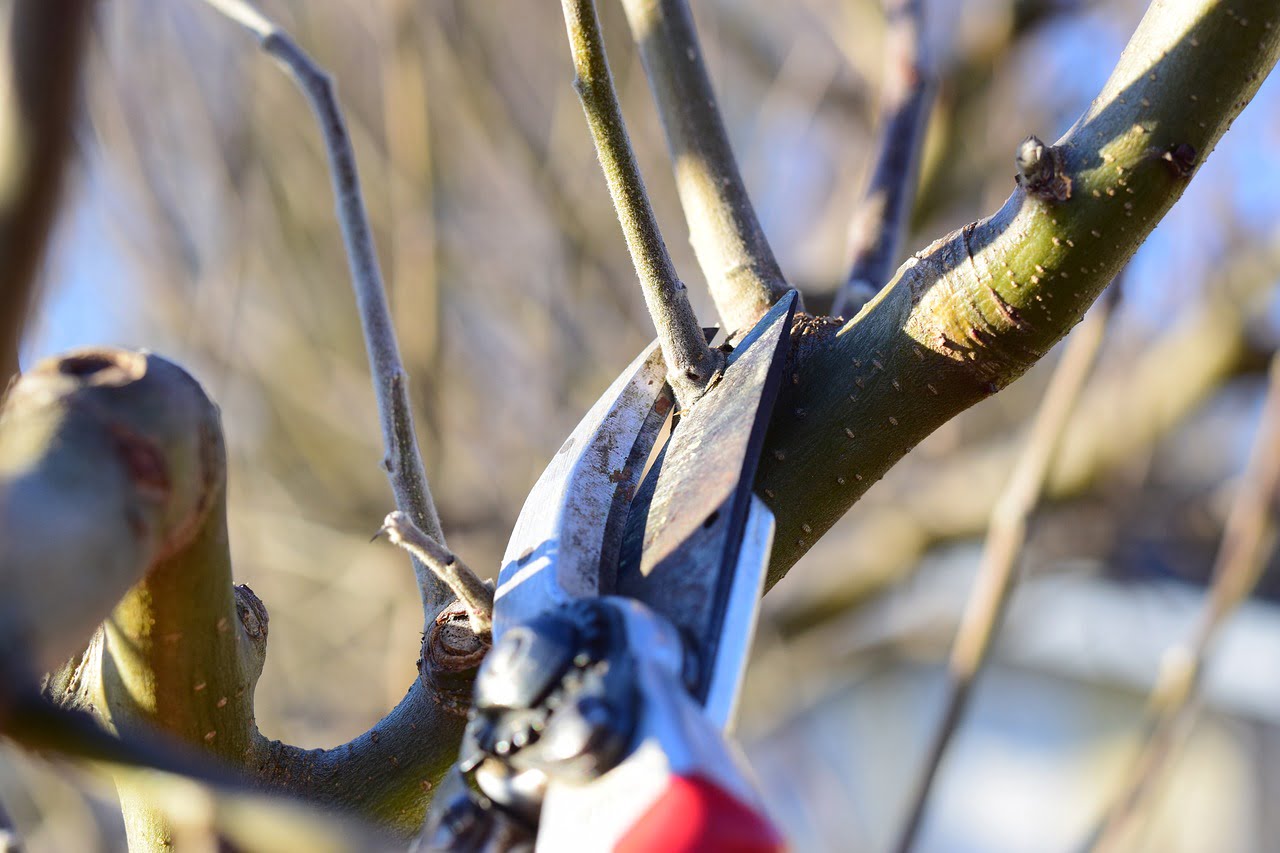
Pruning fruit trees is a very important operation in the technical management of fruit tree farms, because without Pruning fruit trees, the continuity of production of these trees is compromised.

Untrimmed trees or farms will eventually produce no yield due to shading problems, cessation of foliage or wood renewal, etc.
There are several types of pruning fruit trees, namely:
- Pruning fruit trees.
- Training or Formative pruning of fruit trees.
- Fructification and maintenance pruning of fruit trees.
- Green or Summer pruning of fruit trees.
- Renewal or Rejuvenation pruning of fruit trees.
In this article we will present the main tips and precautions to take into consideration to successfully perform the pruning operation, essentially the practical side of pruning.
Table of Contents:
What Time for Pruning fruit trees ?
So, regarding determining the exact period for Pruning fruit trees:
The exact period for pruning is the time of vegetative rest (with the exception of green pruning), which for the majority of species coincides with the autumn-winter period.
It is best to avoid starting pruning early in case the autumn is warm, especially in Mediterranean countries where the dormant season is delayed due to high autumn temperatures.
Care must be taken during periods of frost and low temperatures below 0°C.
For species that are still bearing fruit, pruning should be scheduled after harvest.
Precautions and advice
All shoots or suckers on the main trunk or base of the tree must be removed.
We need to get rid of the water sprout or epicormic shoots.
Select the vegetative wood or small stem (vegetative buds) to keep for replacing broken branches and discard the rest.
You need to remove the misplaced stem ones according to the type of tree form being applied.
Avoid cutting too much in the same place or on the same side (it is better to alternate) so as not to hinder the circulation of sap.
You must start pruning by removing the large stem ones before moving on to the small ones (i.e. saw before pruning secateur).
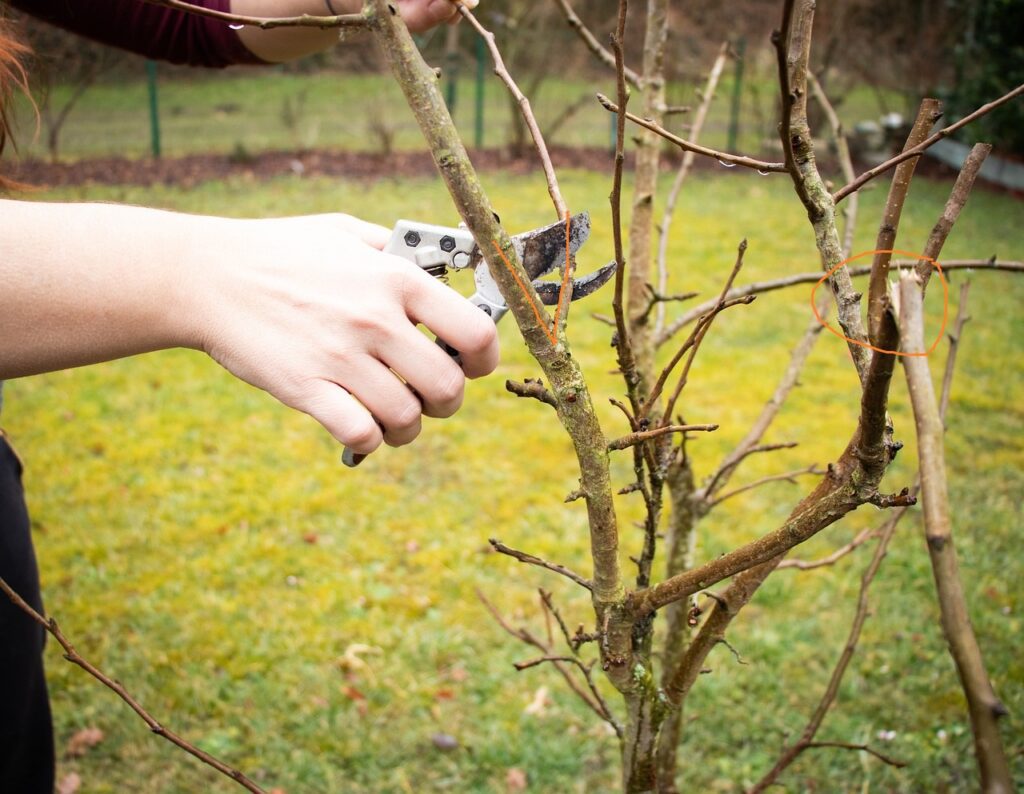
Broken or diseased branches must be removed.
Avoid the formation of two branches on V (especially between fruiting branches of similar size).
The canopy or foliage of trees needs to be thinned to prevent the establishment of diseases and to ensure proper application of plant protection products.
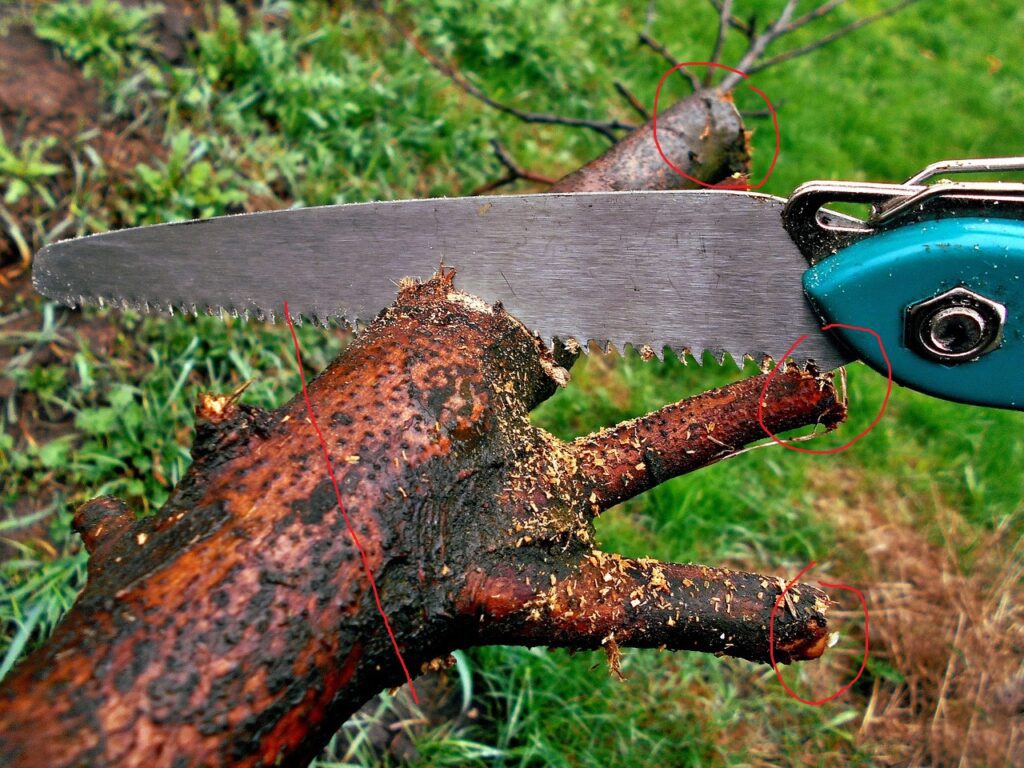
It is best to avoid making several small cuts and to favour solutions requiring a single cut.
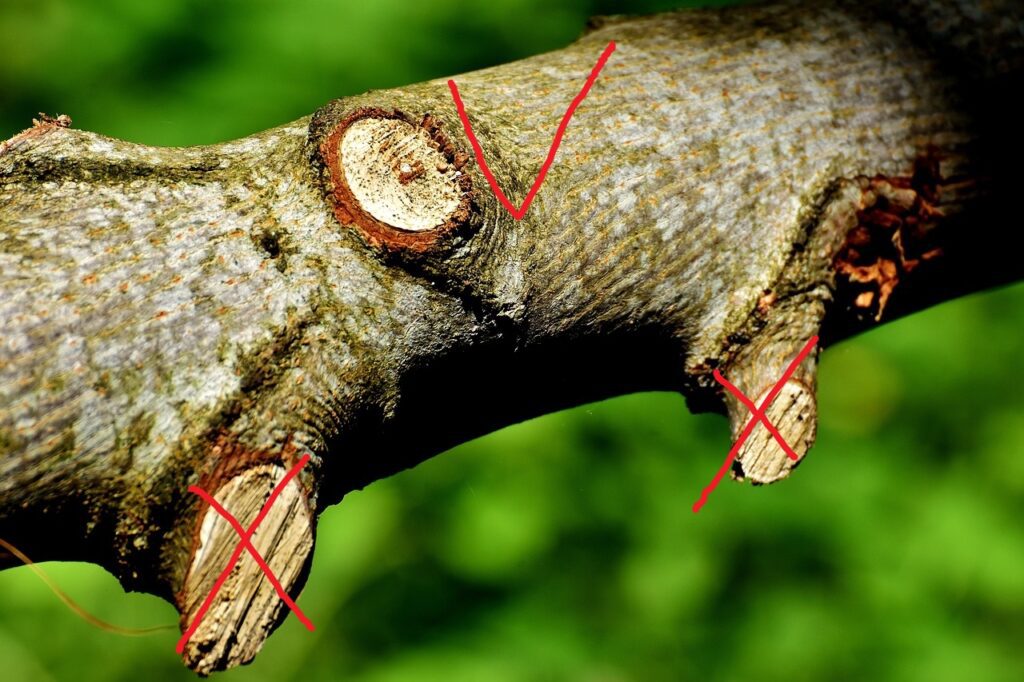
In autumn and winter, leave only one centimeter of the branch above or beyond the cut.
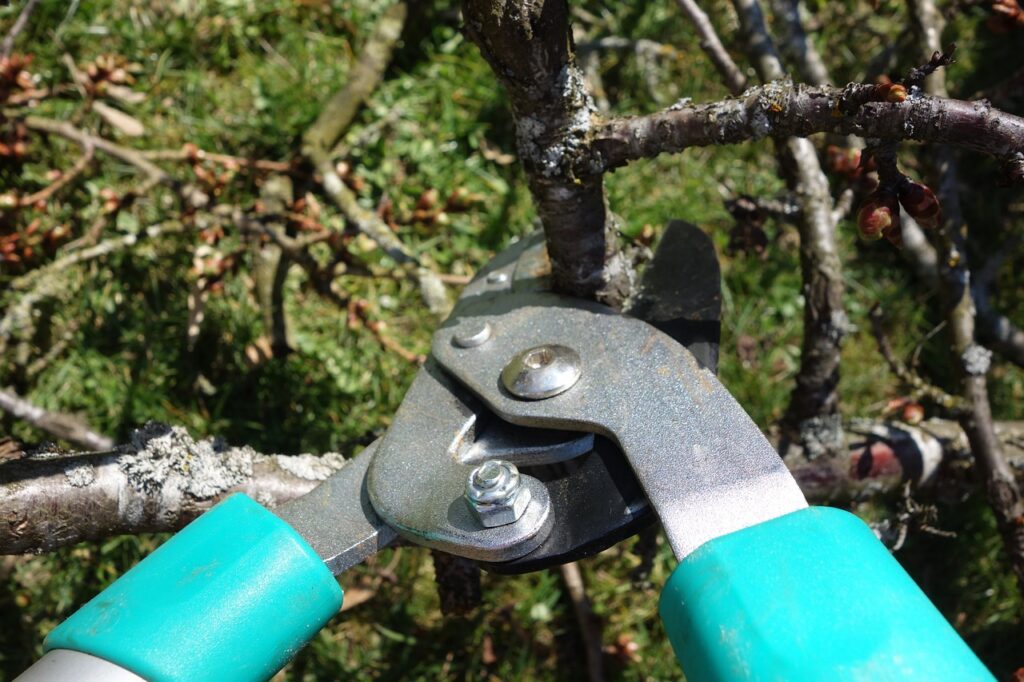
Branches that are to be cut the following year should be weakened as much as possible, that is, not leaving much vegetation to reduce the sap directed towards that branch.
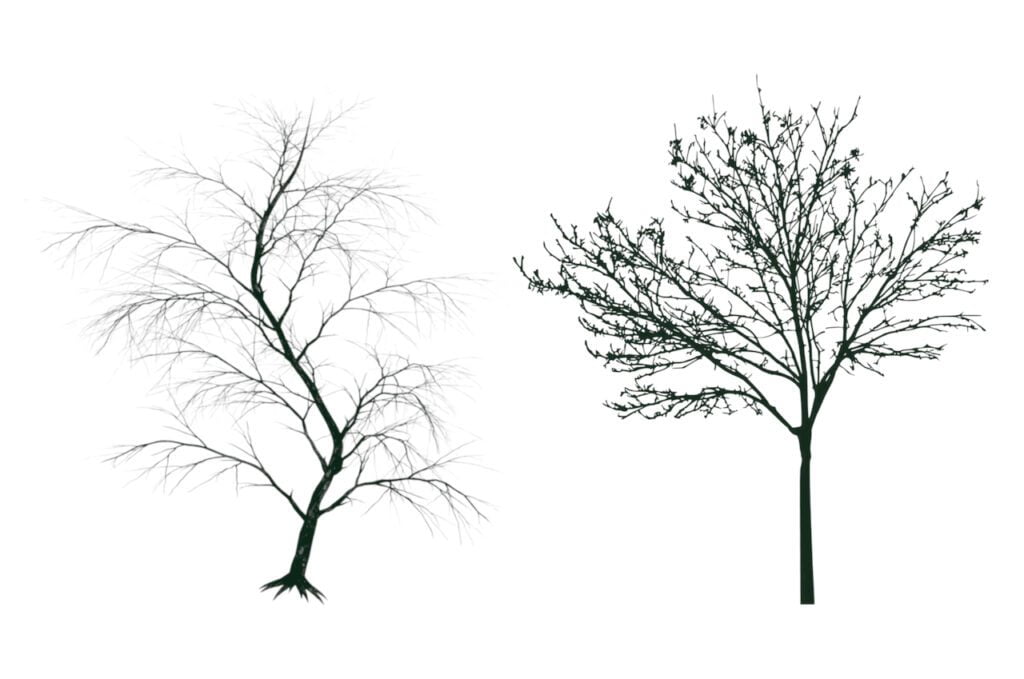
Priority should be given to correcting defects in the training pruning of trees during the initial pruning years.
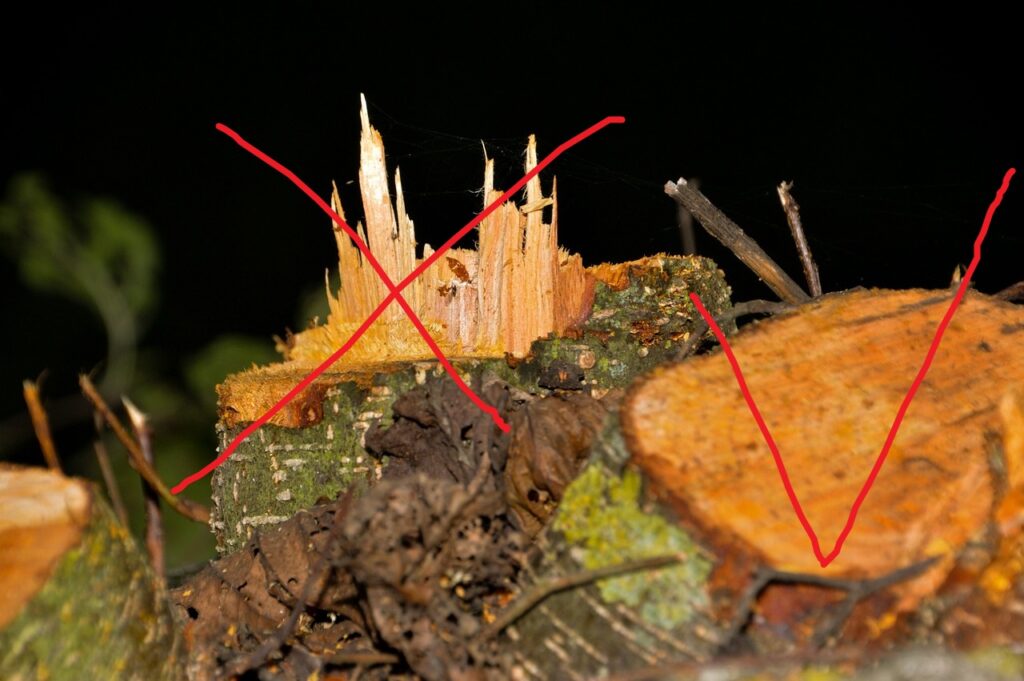
The pruning tools must be sharp to make clean cuts, in order to facilitate the treatment of pruning wounds or pruning cuts.
And finally, don’t forget to cut branches that are too close to the ground (soil), to prevent the onset of diseases starting from these branches.
Also, do not forget to apply a tree wound sealer (Pruning sealer) or a plant protection treatment if necessary.
Also visit: https://web.facebook.com/people/Agronomie-Quotidienne/100090916804866/
More articles on our blog in French !
